
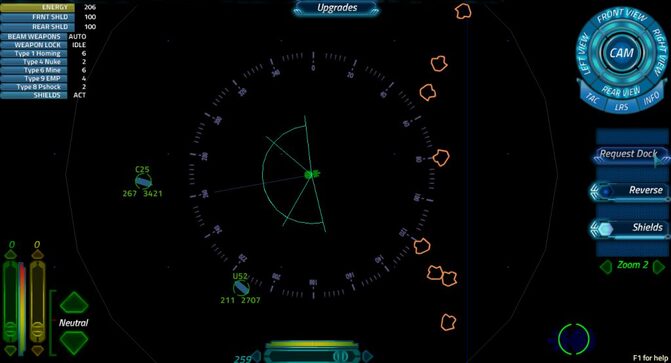
ST-01 Helm
The Helm officer steers the ship. Most of the ships in Artemis have a standard warp drive, but a few can make point-to-point jumps. Helm can also raise and lower the shields and control what is displayed on the main view screen.
Artemis is a cooperative spaceship bridge simulation game, where 2 to 11 players become the crew of a spaceship that you fly from the comfort of your living room.
The game is designed to be played by a group of people who are all in the same room. The best way to find people to play with is to have your friends over and tell them to bring a computer!
The Bridge License lets you install the game on all the computers of the people you play with, in classic Local Area Network style. There are no official Artemis servers for online matchmaking, but some people do play together online. The best place to connect with them is the community.
Each ship can accommodate five bridge officers plus the Captain. Some ships can carry one or more fighter pilots as well. The minimum number of people needed to fly a ship is two, since Helm and Weapons have to be selected to start the game.
It's also possible to have more than one human-controlled ship on the map (up to eight ships). In theory, you could have eight fully crewed carriers (11 people each) all playing on one game map.
The Helm officer steers the ship. Most of the ships in Artemis have a standard warp drive, but a few can make point-to-point jumps. Helm can also raise and lower the shields and control what is displayed on the main view screen.
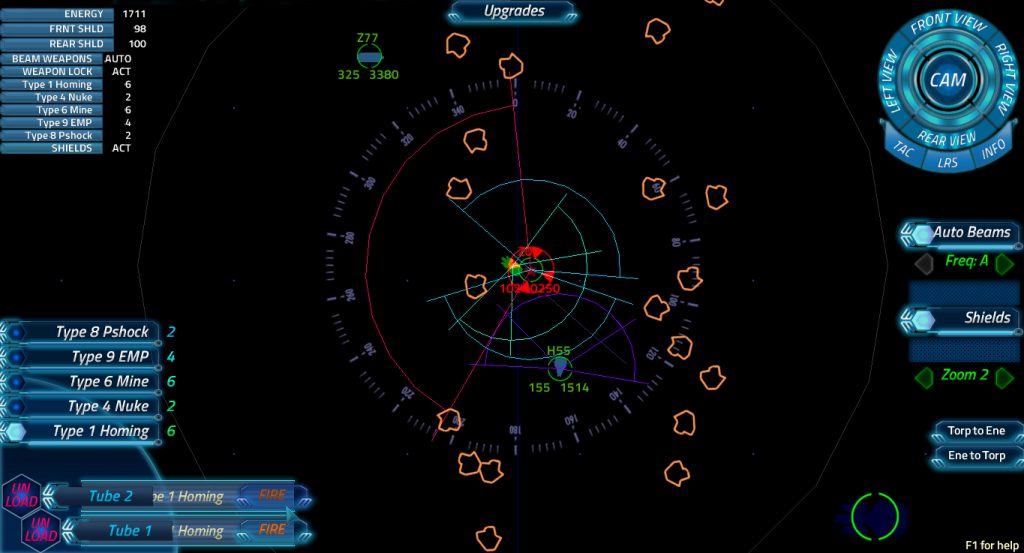
The Weapons officer selects what type of ordnance to fire at whom. Ships in Artemis can be equipped with beams, several kinds of torpedoes, and proximity mines. Weapons officers can also raise and lower the shields, and control what is displayed on the main view screen.
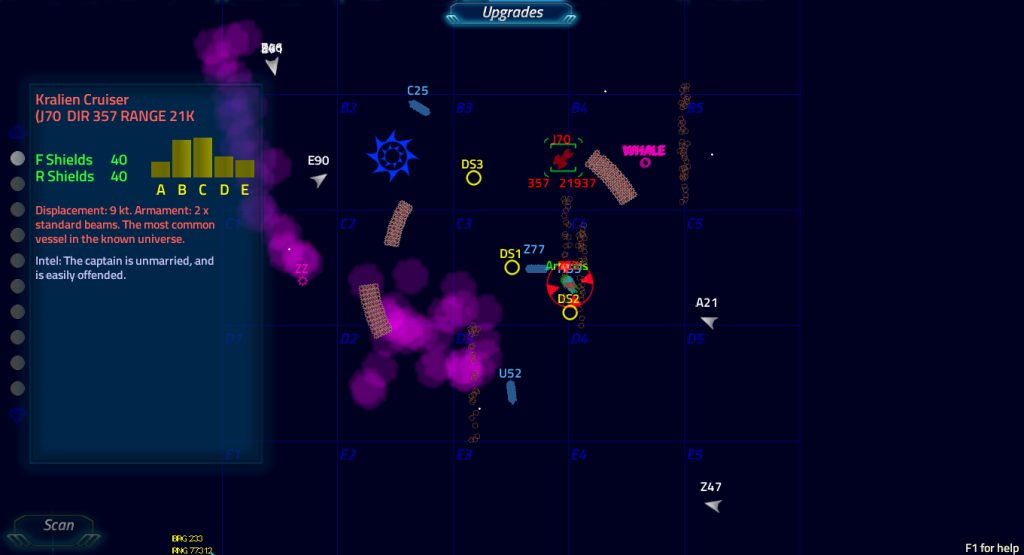
The Science officer gets to see the big picture, and can view the whole game map. The Science officer identifies friends and foes, and is the first to know if one of your space stations or friendly computer-controlled ships is under attack.
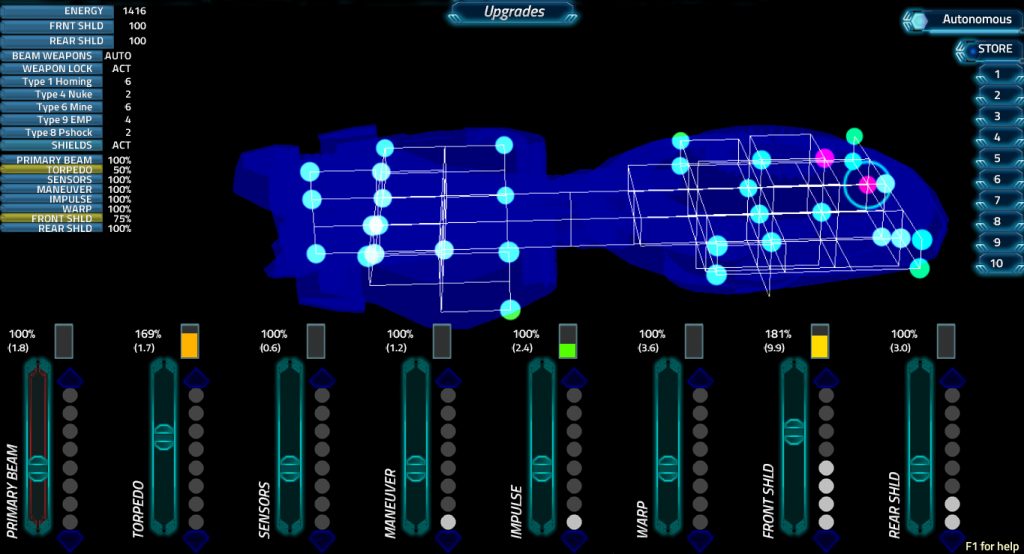
The Engineer can see the status of the ship's systems in detail, and adjust the power levels of different systems. Engineers have to stay on their toes, particularly in combat, to balance the power needs of the other officers.
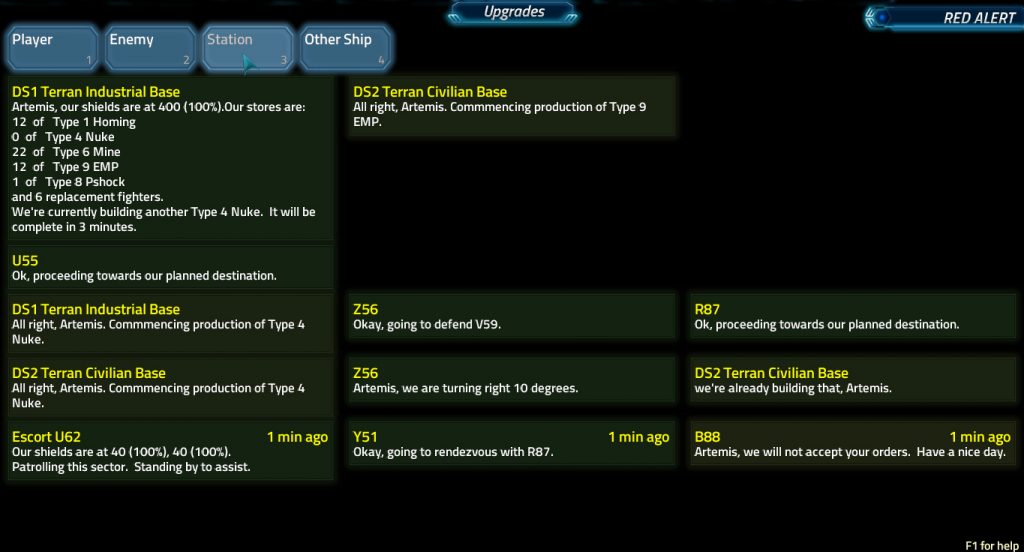
The Communications officer sends and receives messages from computer-controlled ships and stations. Communications needs to work closely with Science to monitor what's happening on the map, and in combat, to get enemy vessels to surrender.
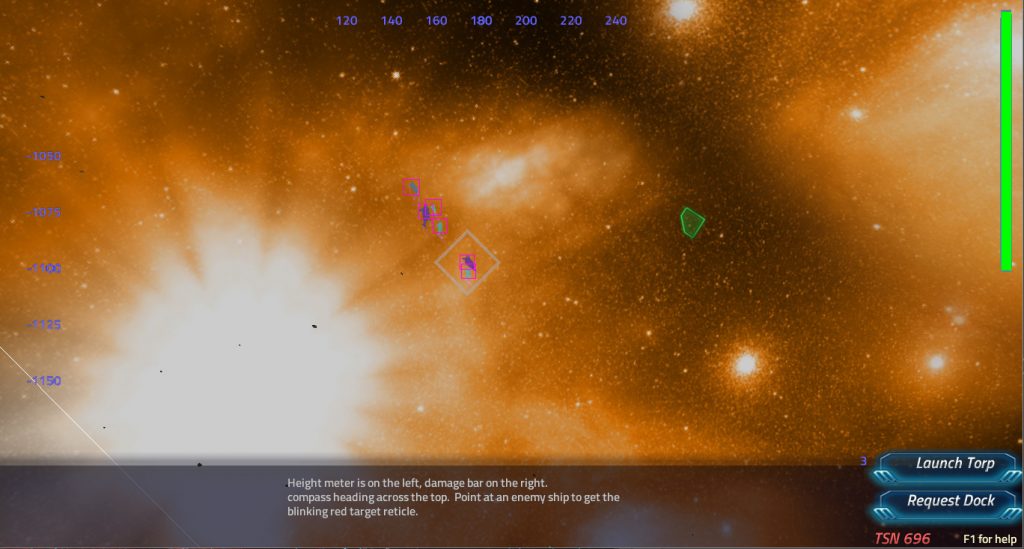
Certain ships have the ability to carry fighters. Pilots of these small ships spend a lot of their downtime playing blackjack, until they get the signal to launch their own craft and head towards danger.
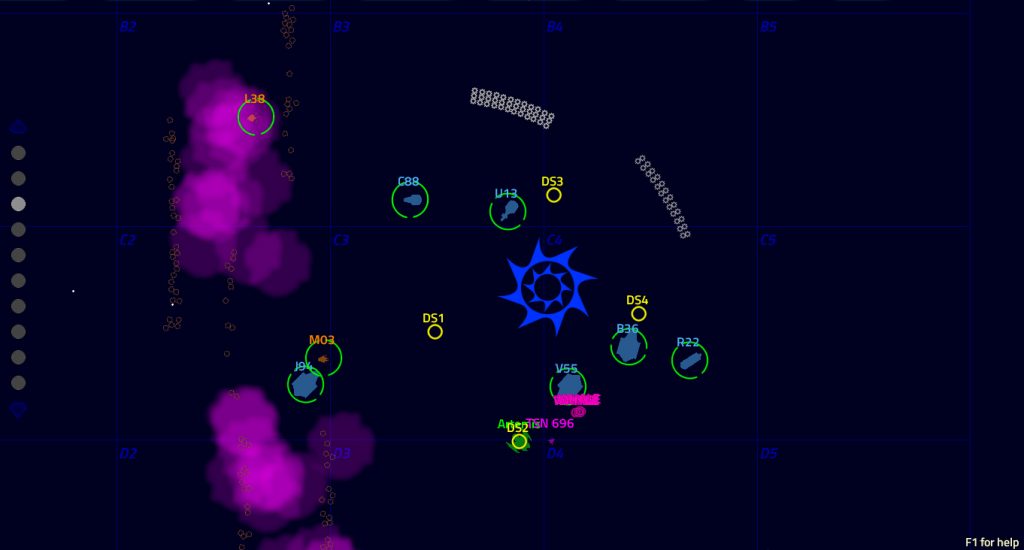
Last but not least, the Captain. The Captain doesn't need their own computer. Their job is to see the big picture and make decisions about which missions to undertake, which enemies to take out, and how to keep the crew alive.